Eco Tourism & Regenerative Travel in Cambodia

Brad McComb • February 3, 2026

How to Travel with Positive Impact

Cambodia is often known for its ancient temples and tropical islands, but beneath the headlines lies something even more powerful: a country quietly leading the way in eco tourism and regenerative travel.

From community-led villages and conservation projects to ethical wildlife sanctuaries and low-impact adventures, Cambodia offers travellers the chance to do more than just see a destination — it allows them to support, restore, and give back through the way they travel.

This is what eco tourism and regenerative tourism look like in Cambodia — and how you can experience it responsibly.

What Is Eco Tourism & Regenerative Tourism?

Eco tourism focuses on minimising harm — protecting nature, respecting culture, and supporting local communities.

Regenerative tourism goes one step further. It asks:

How can travel actively improve a place, rather than just sustaining it?

In Cambodia, regenerative tourism often includes:

  • Supporting local NGOs and conservation projects
  • Creating long-term income for rural communities
  • Protecting wildlife through ethical, non-exploitative experiences
  • Investing in education, reforestation, and skills development

When done right, tourism becomes a force for renewal — not extraction.

Why Cambodia Is Ideal for Regenerative Travel

Cambodia’s history, biodiversity, and strong community culture make it uniquely suited to regenerative tourism.

  • Tourism directly supports livelihoods, especially in rural areas
  • Community-led initiatives are common and deeply meaningful
  • Conservation projects protect endangered wildlife and ecosystems
  • Travellers are welcomed as guests, not just customers

Unlike overdeveloped destinations, Cambodia still offers space for low-impact, high-connection travel — where your presence genuinely matters.

Ethical Wildlife Experiences in Cambodia

Wildlife tourism is one of the most important areas where responsible choices matter.

Ethical experiences focus on:

  • Observation, not interaction
  • No riding, performances, or forced behaviour
  • Conservation, rescue, and education

In Cambodia, standout ethical initiatives include:

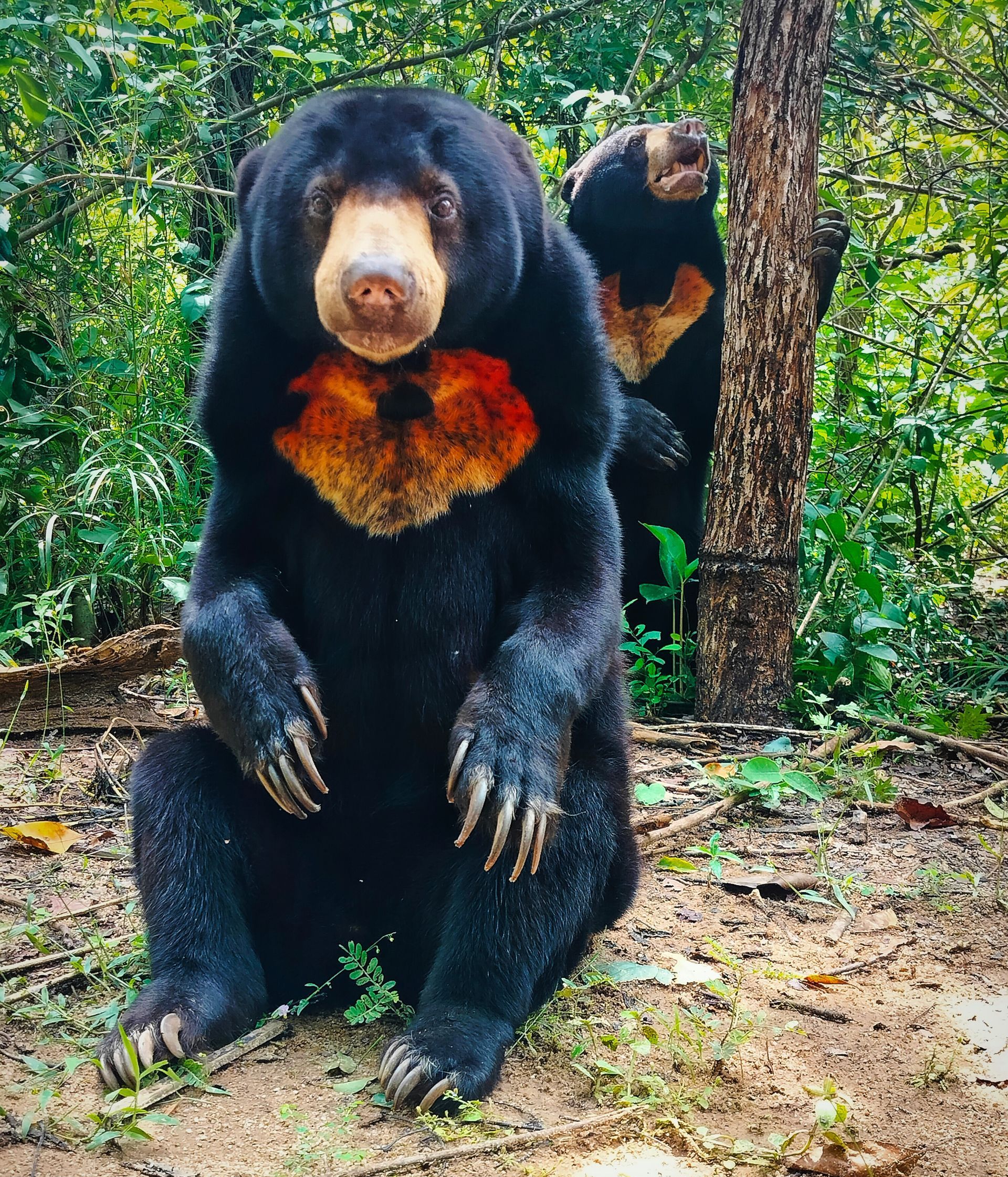
  • Bear sanctuaries rescuing sun and moon bears from illegal trade
  • Elephant forests where retired elephants roam freely without rides or tricks
  • Marine and river conservation projects protecting dolphins and coral reefs

Choosing ethical wildlife tours ensures animals benefit from tourism — not suffer because of it.

👉 Explore our ethical wildlife experiences
👉 Ask us about animal welfare standards on our tours

Community-Based Tourism: Travel That Supports Local Lives

Some of the most powerful eco tourism experiences in Cambodia happen far from major cities.

Community-based tourism may include:

  • Staying in locally owned guesthouses or homestays
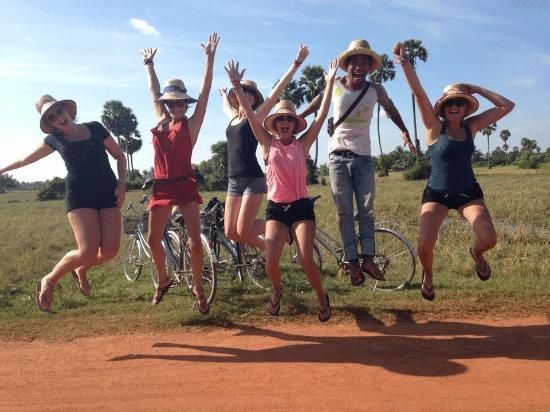
  • Cycling through village islands and rural landscapes
  • Sharing meals with host families
  • Supporting local guides, farmers, and artisans

These experiences keep money within the community, preserve cultural traditions, and create pride and opportunity for future generations.

They’re also often the moments travellers remember most.

Conservation, Reforestation & Giving Back

Regenerative travel in Cambodia often includes direct contributions to environmental recovery.

This can look like:

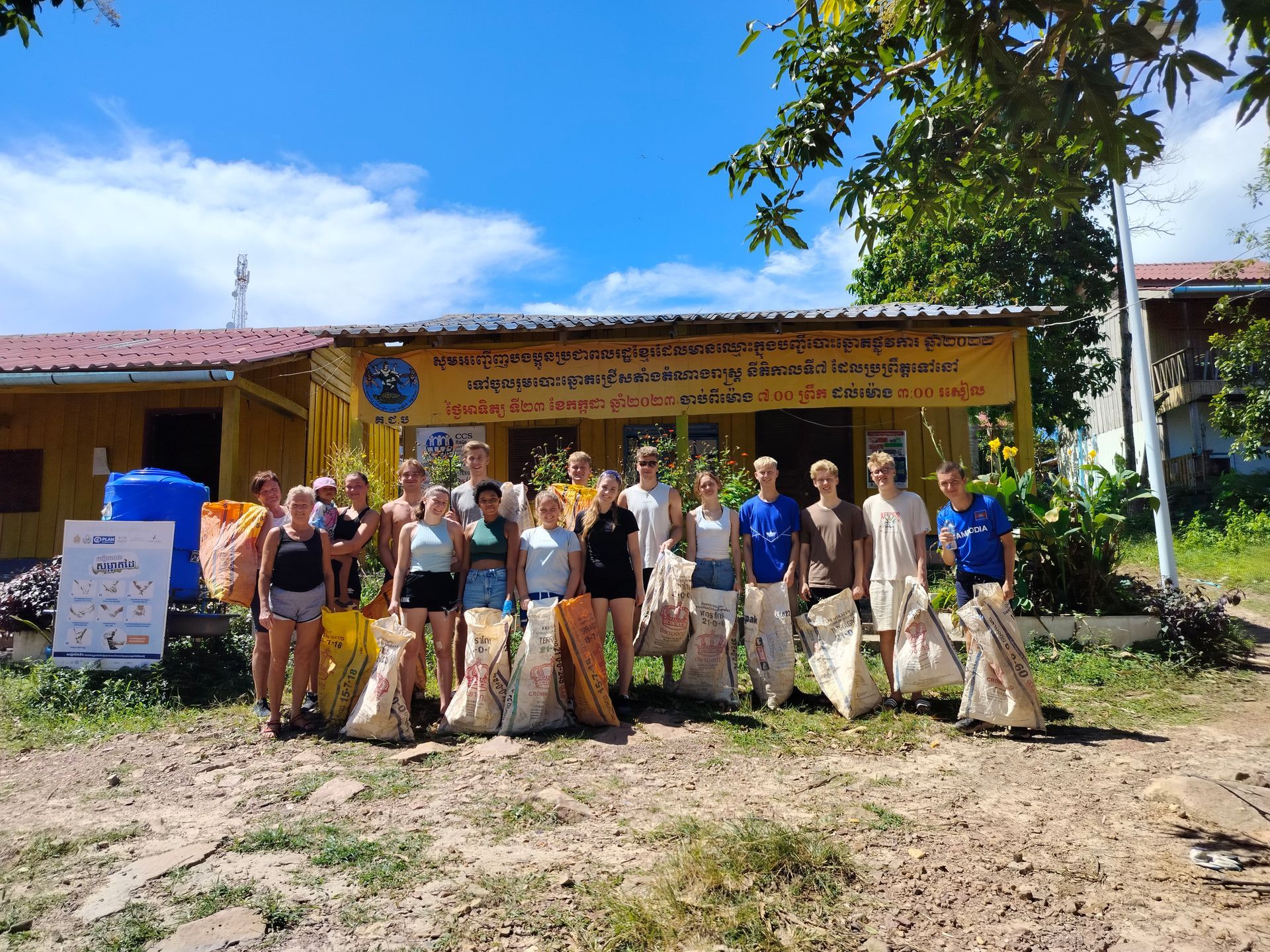
  • Tree-planting initiatives in river islands and rural areas
  • Supporting NGOs providing education and training
  • Visiting social enterprises that reinvest profits into communities
  • Reducing plastic waste through refill systems and low-impact logistics

Small actions, when multiplied by responsible tours, create long-term change.

Low-Impact Adventure Travel

Eco tourism doesn’t mean sacrificing adventure — it means choosing how you adventure.

Cambodia offers:

  • Kayaking instead of motorised boats
  • Cycling and hiking instead of high-emission transport
  • Small-group travel instead of mass tourism
  • Locally guided experiences with cultural context

From jungle hikes and waterfall treks to paddleboarding, snorkeling, and cycling through countryside, Cambodia proves that adventure and responsibility go hand in hand.

How Responsible Tour Operators Make the Difference

Not all tours are created equal. Responsible operators focus on:

  • Small group sizes
  • Fair wages and local employment
  • Long-term partnerships with NGOs and communities
  • Clear animal welfare policies
  • Honest, transparent experiences

At Adventure Travel Co., our tours are designed on the ground in Cambodia, in collaboration with local guides, conservation projects, and social enterprises — ensuring tourism creates positive impact at every step.

How You Can Travel More Responsibly in Cambodia

Even small choices make a difference:

  • Use refillable water bottles
  • Respect temple dress codes and local customs
  • Ask questions about animal welfare
  • Support local businesses and guides
  • Choose tours that give back

Responsible travel isn’t about being perfect — it’s about being intentional.

Eco Tourism in Cambodia: A Better Way to Travel

Cambodia shows what’s possible when tourism is built on respect, partnership, and care.

By choosing eco tourism and regenerative travel experiences, you’re not just creating unforgettable memories — you’re contributing to conservation, community resilience, and a more sustainable future for one of Southeast Asia’s most remarkable countries.

👉 View our eco and regenerative tours in Cambodia
👉
Contact us to design a responsible itinerary
👉
Learn more about our ethical travel commitments

Travel can change lives — including the places you visit. Cambodia is proof.
Travel planning
By Brad McComb February 21, 2026
Discover why smart travel planning transforms your Cambodia trip. Save time, reduce stress, travel responsibly, and experience more.
By Brad McComb February 16, 2026
How to Make the Most of 2 Days in Siem Reap
By Brad McComb January 21, 2026
Unforgettable small-group adventures across Cambodia — guided, ethical, and expertly designed.
By Jay Austin December 2, 2025
Visiting Cambodia offers an enriching experience and an unparalleled opportunity to connect with the local community. Cambodian people are warm, open and very accepting of foreign visitors into their communities. Many travellers enjoy these interactions and getting to know your guides, tuk tuk drivers and hotel staff on a more personal level can make your trip truly unforgettable. For those who wish to contribute a little more than their base tourism spend, there are many ways that you can give that will be beneficial for those that you meet. Tips Though tipping in Cambodia is not expected, it is always deeply appreciated. Most Cambodian people will never ask you for a tip, but what you choose to give after exceptional service can always be put to use in any number of ways. The Cambodian culture is deeply rooted in food, which means your tip could mean the difference between a family eating rice and soy sauce with basic vegetables to that same family being able to incorporate fish into their evening meal (over 75% of the Cambodian diet is related to fish in some way, but it can be expensive for lower income families). Cambodian families are also very focused on educating the next generation. Tips are often used for the payment of school fees for children as even a public education requires a payment of some sort as well as the purchase of uniforms, books etc. as the public education system is still very underfunded. As a general guide for tipping, here are the amounts we would recommend: Drivers $5 - $10 USD per day Guides $10- $20 USD per day Group Leaders $50 - $200 USD total from the group, depending on the length of the tour Educational Supplies With public schools being largely underfunded, educational supplies are always welcomed as donations. At Adventure Travel Co. we adhere to strict ChildSafe policies which dictate that visiting schools during class hours is detrimental to the learning process, but we are happy to arrange meetings with teachers and school principals where donations can be made appropriately without any negative impacts. Educational supplies are widely available in Cambodia which means that buying locally is both more affordable for you and also contributes to the wider Cambodian economy. Contact us for a list of stores you can visit and school wishlists for your trip. Used laptops are a wonderful donation for schools that focus on technological education. If you have an old laptop laying around at home, bringing this to Cambodia to donate is a wonderful way to support education into the future. Even broken laptops can be donated to technical training schools to be used as a training tool for technological repair classes. Second hand laptops are also available for purchase in Cambodia for affordable prices and we can help to guide you through the purchase process if you would prefer to purchase technological supplies in-country. Capacity Building Gifts So the saying goes, if you give a man a fish, he can eat for a day, but if you teach a man to fish, he can eat for a lifetime. Focusing your gifts and donations on capacity building is a great way to ensure that your donations go a long way. Keeping with the saying in literal terms, we will start this section with fishing supplies. Cambodian people rely largely on fishing around the country to feed their families. Though their style of fishing is much more rudimentary than what we might be used to in our home counties, there are basic supplies like hooks, lines and sinkers that can always be used in countryside locations surrounding the Tonle Sap lake. For seaside villages, basic fishing rods as well as gear and tackle will always be valuable gifts for local people to help them achieve the catch they need. Bicycles are often a well received gift which enables children to reach school safely. Bikes are available around the country for affordable prices and we can help to direct you to the communities that need them the most. Sadly, access to clean water is still a major issue in the Cambodian countryside. Something as simple as a ceramic water filter (in-country cost of around $25 USD) can help to prevent illnesses from bacteria that is contracted from ingesting unclean water. For those who have a little more to give, we can link you up with NGOs that provide wells for clean water access in villages that still don't have access to running water. Though this would be a financial donation, it is something that provides hygiene and sanitation to entire communities rather than a donation to a single person. On the hygeniene side of things, items such as toothbrushes, toothpaste, reusable menstrual pads, period underwear, cloth nappies and soap are valuable items within Cambodian communities. There are a number of organizations that can assist with distributing these items along with the educational resources required for assisting women and children on the proper use of these items. We can help you to arrange community visitations for the distribution of hygiene items in partnership with local NGOs ensuring that your donations are going to the communities that need them. Gifts are a wonderful way to give back to a community and country that offers you a wonderful holiday experience. For more information or to arrange visits with non-government organizations, schools, village leaders and local monks, please contact our expert travel planners who can help to create a responsible tourism experience that allows you to give back with tourism..
By Shay LaJoie September 30, 2025
Common Mistakes Travelers Make in Cambodia
By Brad McComb September 3, 2025
Take a ride on the wild side of Cambodia
By Shay LaJoie September 1, 2025
Unique Experiences You Can Only Find in Cambodia
sun bears
By Brad McComb July 31, 2025
A Journey Through Cambodia’s Ethical Wildlife Encounters
By Shay LaJoie July 17, 2025
How to Stay Safe While Adventuring in Cambodia
By Shay LaJoie July 9, 2025
Muslim-Safe Cambodia: Halal Food Options Not to Miss