Cambodia’s Conservation Revolution:

Brad McComb • May 18, 2026

Why Nature Lovers Are Looking to the Kingdom in 2026
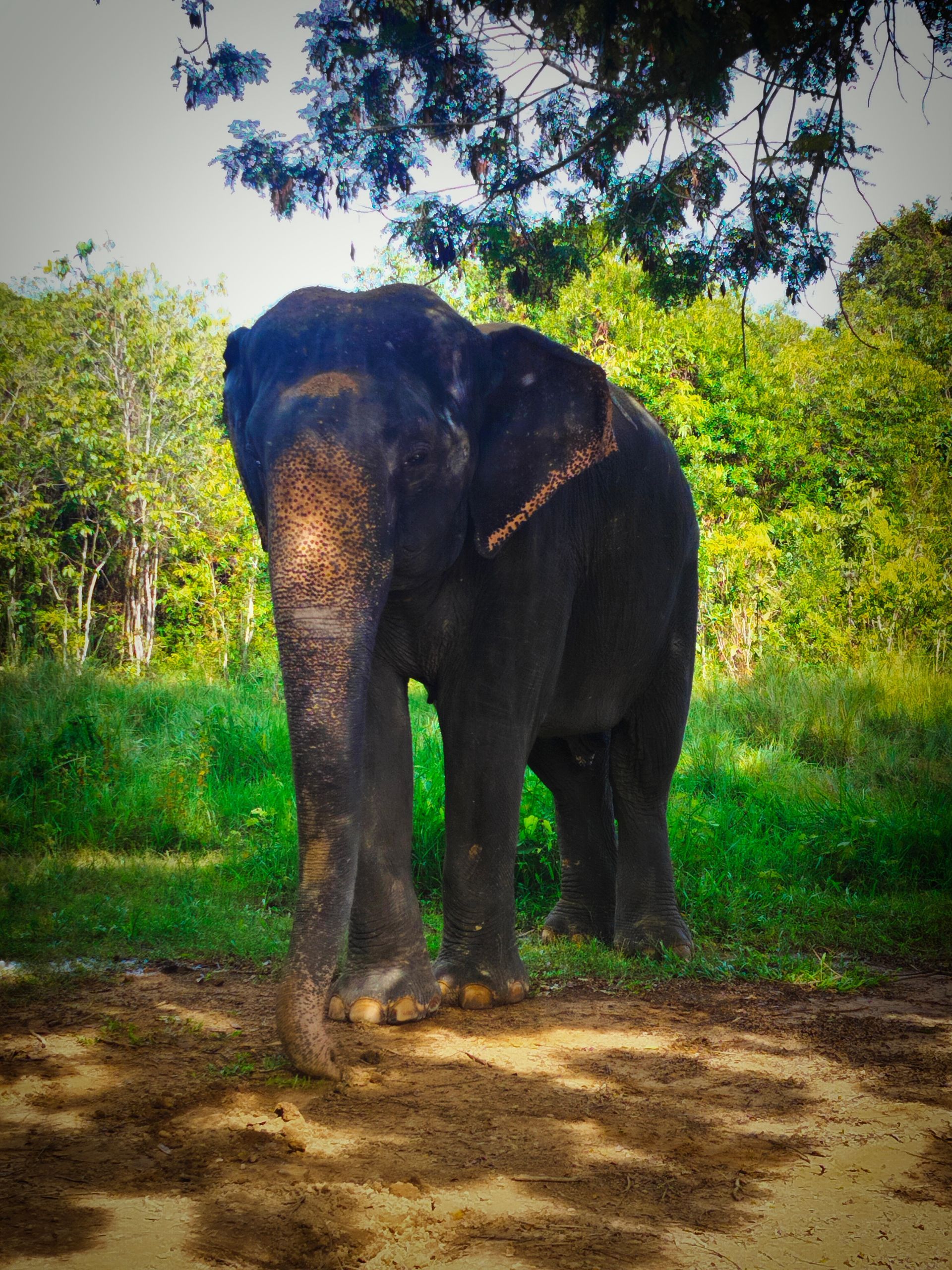
Asian Elephant Kulen forest

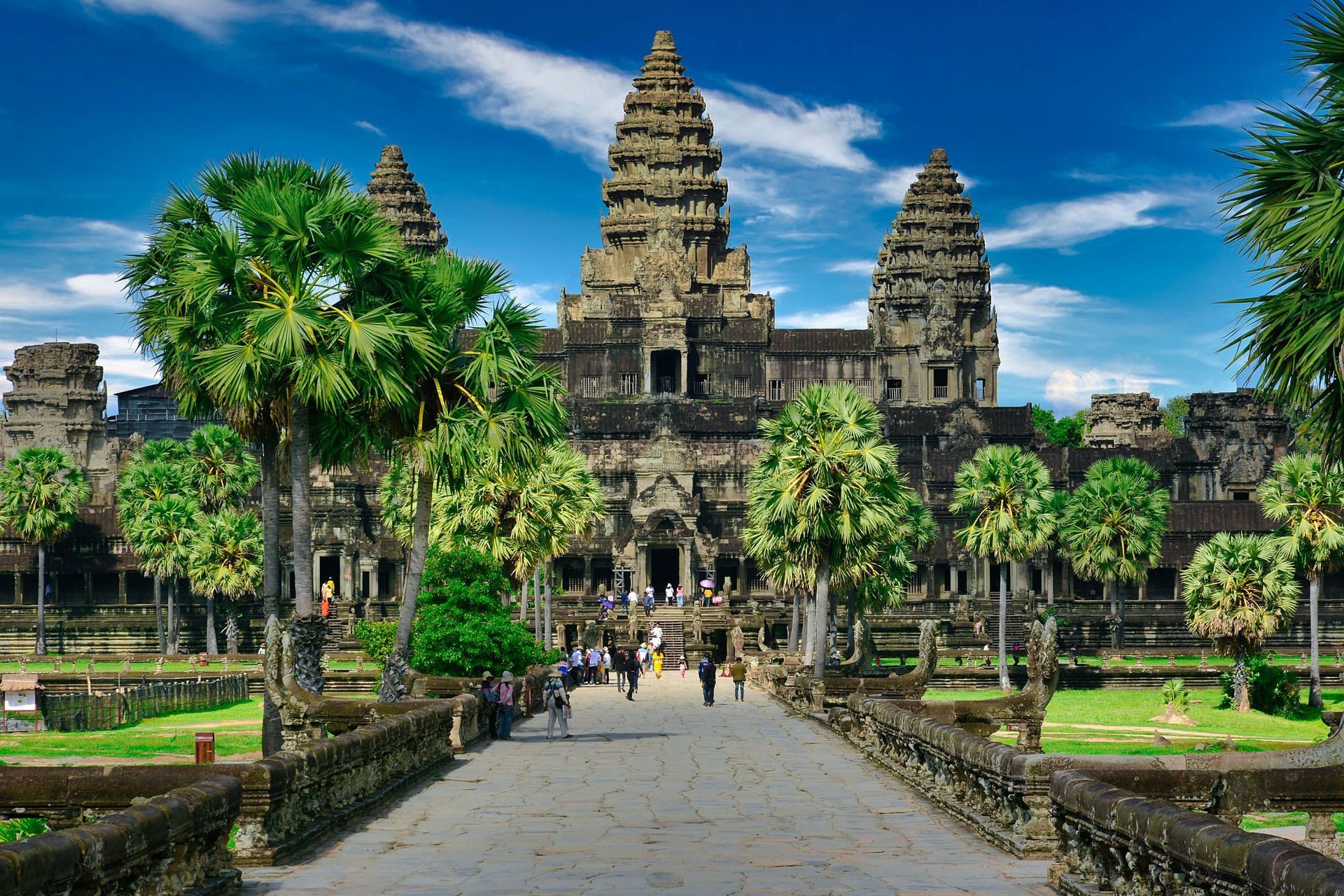
For years, Cambodia was known globally for the temples of Angkor Wat. But a new story is emerging — one defined by wildlife conservation, marine protection, sustainable tourism, and some of Southeast Asia’s most ambitious environmental projects.

Today, Cambodia is becoming one of Asia’s most exciting eco-tourism destinations. From elephant sanctuaries and endangered river dolphins to rainforest preservation and coral restoration projects, the country is proving that tourism and conservation can work hand in hand.

In fact, Cambodia was recently ranked the number one country in the world for natural environment in the 2026 Best Countries rankings, recognized for its biodiversity, forest conservation, and sustainable resource management efforts.

A Country Investing in Nature, Not Just Tourism

Across Cambodia, conservation initiatives are reshaping how travellers experience the country.

In the Cardamom Mountains, one of Southeast Asia’s largest remaining rainforest ecosystems, anti-poaching programs and protected wildlife corridors are helping preserve habitats for endangered species including sun bears, clouded leopards, gibbons, and Asian elephants.

Meanwhile, along the Mekong River in northern Cambodia, conservation programs focused on the critically endangered Irrawaddy dolphin are drawing global attention. Local communities and environmental organisations are working together to protect river habitats while creating sustainable tourism opportunities for rural communities.

Cambodia’s coastline is also entering a new era of marine conservation.

One of the country’s most innovative environmental projects is the planned S.E.A. Ocean Gallery near Kep — set to become Asia’s first large-scale living underwater museum. Rather than functioning as a traditional attraction, the underwater installation is designed to regenerate marine ecosystems using specially designed reef-like sculptures that encourage coral growth and provide habitats for marine life.

Located within a protected marine fisheries area, the project represents a major shift toward eco-focused tourism and long-term environmental restoration.

Cambodia’s Wildlife Experiences Are Becoming More Ethical

Travellers today increasingly want meaningful, responsible experiences rather than mass tourism. Cambodia is uniquely positioned for this shift.

Ethical wildlife sanctuaries across the country now prioritise rescue, rehabilitation, and conservation education over entertainment-based tourism. Visitors can learn about rescued elephants in protected forest environments, observe rescued sun bears, and experience Cambodia’s ecosystems in ways that directly support conservation efforts.

This growing movement toward sustainable tourism is also helping Cambodia diversify beyond the traditional “Angkor-only” itinerary. Discussions across the travel industry increasingly highlight Cambodia as a destination for slower, nature-focused travel experiences that combine culture, conservation, and authentic local interaction.

For travellers wanting to experience Cambodia’s conservation story firsthand, Adventure Travel Cambodia’s Where The Wild Things Roam Tour offers an immersive journey through some of the country’s most important wildlife and environmental destinations. The tour includes ethical elephant and sun bear sanctuary visits, Irrawaddy dolphin viewing, jungle experiences, and opportunities to connect with Cambodia’s diverse natural landscapes in a responsible way.

Why Cambodia Is Emerging as Southeast Asia’s Eco-Tourism Leader

Unlike some neighbouring destinations that struggle with over-tourism, Cambodia still offers something increasingly rare in Asia: space, authenticity, and relatively untouched natural environments.

From the mangroves and islands of the south to the jungles of Mondulkiri and the waterways of the Mekong, the country’s landscapes remain remarkably wild compared to many heavily developed tourism hubs in the region.

At the same time, Cambodia is beginning to invest more heavily in sustainable tourism infrastructure, protected areas, and conservation-driven projects that appeal to environmentally conscious travellers.

The result is a destination where visitors can still experience genuine adventure while directly contributing to wildlife protection and local conservation initiatives.

The Future of Travel in Cambodia

Cambodia’s conservation momentum signals something larger than tourism trends. It reflects a growing recognition that the country’s natural environment is one of its greatest assets.

Projects like the underwater museum in Kep, expanded wildlife sanctuaries, marine protected areas, and eco-tourism initiatives are helping position Cambodia as one of Asia’s most exciting destinations for responsible travel.

For travellers seeking more than crowded attractions and resort tourism, Cambodia offers something increasingly valuable: the chance to experience nature, culture, and wildlife in a destination that is actively working to protect them for future generations.
By Brad McComb June 2, 2026
Guide development Cambodia
By Brad McComb March 11, 2026
While conflict reshapes global travel, one extraordinary destination remains open, stable, and waiting.
Travel planning
By Brad McComb February 21, 2026
Discover why smart travel planning transforms your Cambodia trip. Save time, reduce stress, travel responsibly, and experience more.
By Brad McComb February 16, 2026
How to Make the Most of 2 Days in Siem Reap
Eco-tourism Cambodia
By Brad McComb February 3, 2026
How to Travel with Positive Impact
By Brad McComb January 21, 2026
Unforgettable small-group adventures across Cambodia — guided, ethical, and expertly designed.
By Jay Austin December 2, 2025
Visiting Cambodia offers an enriching experience and an unparalleled opportunity to connect with the local community. Cambodian people are warm, open and very accepting of foreign visitors into their communities. Many travellers enjoy these interactions and getting to know your guides, tuk tuk drivers and hotel staff on a more personal level can make your trip truly unforgettable. For those who wish to contribute a little more than their base tourism spend, there are many ways that you can give that will be beneficial for those that you meet. Tips Though tipping in Cambodia is not expected, it is always deeply appreciated. Most Cambodian people will never ask you for a tip, but what you choose to give after exceptional service can always be put to use in any number of ways. The Cambodian culture is deeply rooted in food, which means your tip could mean the difference between a family eating rice and soy sauce with basic vegetables to that same family being able to incorporate fish into their evening meal (over 75% of the Cambodian diet is related to fish in some way, but it can be expensive for lower income families). Cambodian families are also very focused on educating the next generation. Tips are often used for the payment of school fees for children as even a public education requires a payment of some sort as well as the purchase of uniforms, books etc. as the public education system is still very underfunded. As a general guide for tipping, here are the amounts we would recommend: Drivers $5 - $10 USD per day Guides $10- $20 USD per day Group Leaders $50 - $200 USD total from the group, depending on the length of the tour Educational Supplies With public schools being largely underfunded, educational supplies are always welcomed as donations. At Adventure Travel Co. we adhere to strict ChildSafe policies which dictate that visiting schools during class hours is detrimental to the learning process, but we are happy to arrange meetings with teachers and school principals where donations can be made appropriately without any negative impacts. Educational supplies are widely available in Cambodia which means that buying locally is both more affordable for you and also contributes to the wider Cambodian economy. Contact us for a list of stores you can visit and school wishlists for your trip. Used laptops are a wonderful donation for schools that focus on technological education. If you have an old laptop laying around at home, bringing this to Cambodia to donate is a wonderful way to support education into the future. Even broken laptops can be donated to technical training schools to be used as a training tool for technological repair classes. Second hand laptops are also available for purchase in Cambodia for affordable prices and we can help to guide you through the purchase process if you would prefer to purchase technological supplies in-country. Capacity Building Gifts So the saying goes, if you give a man a fish, he can eat for a day, but if you teach a man to fish, he can eat for a lifetime. Focusing your gifts and donations on capacity building is a great way to ensure that your donations go a long way. Keeping with the saying in literal terms, we will start this section with fishing supplies. Cambodian people rely largely on fishing around the country to feed their families. Though their style of fishing is much more rudimentary than what we might be used to in our home counties, there are basic supplies like hooks, lines and sinkers that can always be used in countryside locations surrounding the Tonle Sap lake. For seaside villages, basic fishing rods as well as gear and tackle will always be valuable gifts for local people to help them achieve the catch they need. Bicycles are often a well received gift which enables children to reach school safely. Bikes are available around the country for affordable prices and we can help to direct you to the communities that need them the most. Sadly, access to clean water is still a major issue in the Cambodian countryside. Something as simple as a ceramic water filter (in-country cost of around $25 USD) can help to prevent illnesses from bacteria that is contracted from ingesting unclean water. For those who have a little more to give, we can link you up with NGOs that provide wells for clean water access in villages that still don't have access to running water. Though this would be a financial donation, it is something that provides hygiene and sanitation to entire communities rather than a donation to a single person. On the hygeniene side of things, items such as toothbrushes, toothpaste, reusable menstrual pads, period underwear, cloth nappies and soap are valuable items within Cambodian communities. There are a number of organizations that can assist with distributing these items along with the educational resources required for assisting women and children on the proper use of these items. We can help you to arrange community visitations for the distribution of hygiene items in partnership with local NGOs ensuring that your donations are going to the communities that need them. Gifts are a wonderful way to give back to a community and country that offers you a wonderful holiday experience. For more information or to arrange visits with non-government organizations, schools, village leaders and local monks, please contact our expert travel planners who can help to create a responsible tourism experience that allows you to give back with tourism..
By Shay LaJoie September 30, 2025
Common Mistakes Travelers Make in Cambodia
By Brad McComb September 3, 2025
Take a ride on the wild side of Cambodia
By Shay LaJoie September 1, 2025
Unique Experiences You Can Only Find in Cambodia